ANHUI WISDOM MECHANICAL TECHNOLOGY CO..LTD

Company Profile and Quality Control Philosophy

ANHUI WISDOM MECHANICAL TECHNOLOGY CO..LTD

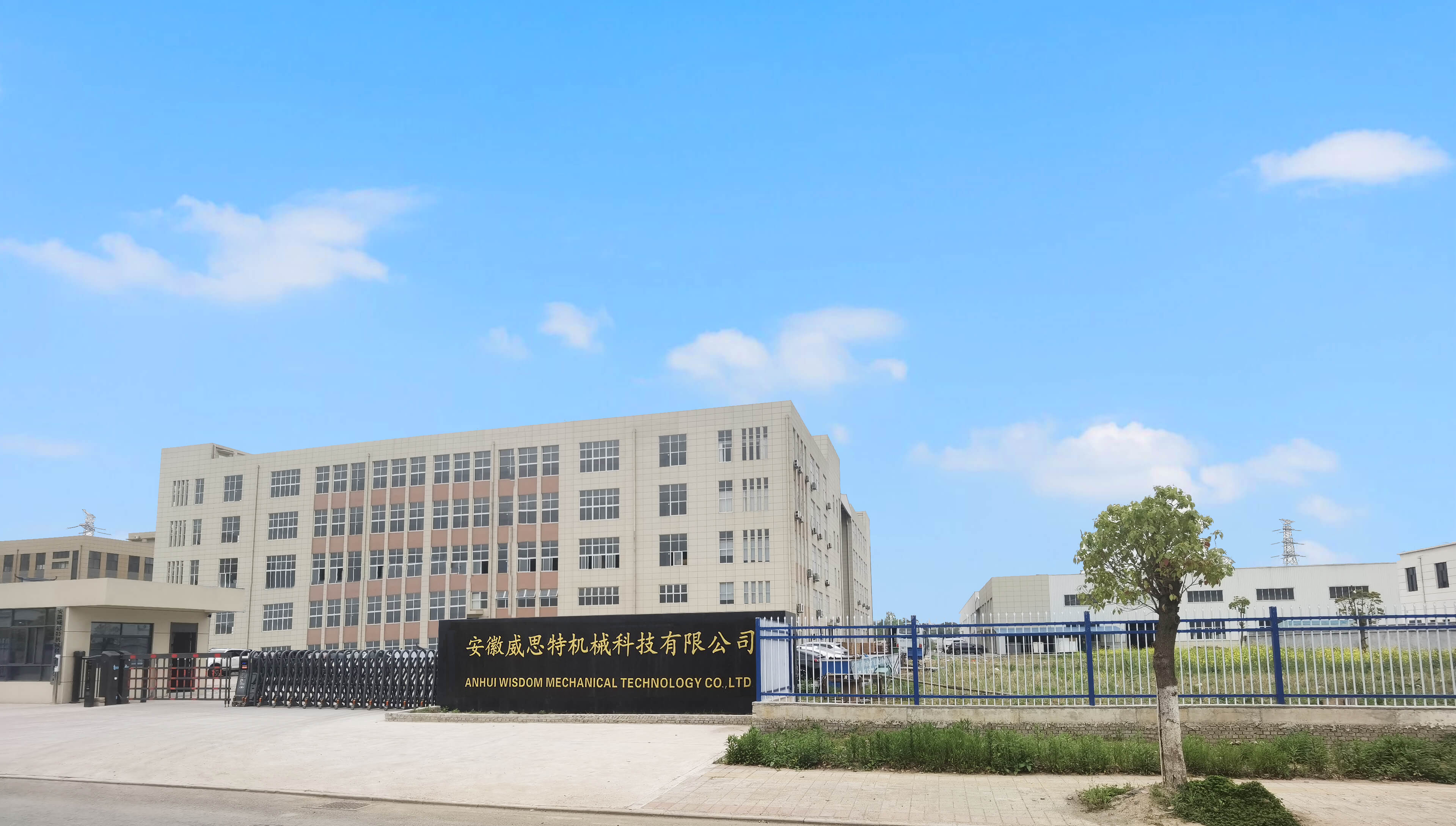
Anhui Weistech Mechanical Technology Co., Ltd. (hereinafter referred to as "Weistech") was established in 2021. It is a high-tech export-oriented enterprise that integrates R&D, production and sales. The company is located in the Economic Development Zone of Anqing City, Anhui Province, covering an area of over 70 acres. It currently has 300 employees and focuses on the manufacturing of various high-end cutting tools, garden hand tools and automotive parts. The company has complete process equipment.

Our core concept of quality control:

Weistech is well aware that in the highly competitive hardware tool industry, quality is the lifeline of an enterprise. We firmly believe that quality is not inspected but is created through meticulous planning and strict process control. Therefore, we have established an ISO9001 quality management system that runs through the entire value chain from "materials → heat treatment → machining → surface treatment → assembly → finished product", and has invested in building industry-leading laboratories. The detection capabilities are deeply integrated into every core process such as heat treatment, laser cutting, stamping, gear grinding, cleaning, deburring, painting, injection molding, and assembly to ensure that every tool has outstanding durability, accuracy and corrosion resistance.

Quality Control Capabilities & Inspection Equipment for Core Processes

We build a comprehensive quality control system aligned with the production process, featuring three layers of defense: prevention before production, control during production, and verification after production. Supported by advanced inspection equipment, each stage is effectively implemented to ensure consistent product quality.

Raw materials entering the factory & heat treatment

Key Quality Requirements

Chemical composition compliance, hardness gradient, depth of infiltration layer, and metallographic structure meet standards

Inspection Equipment

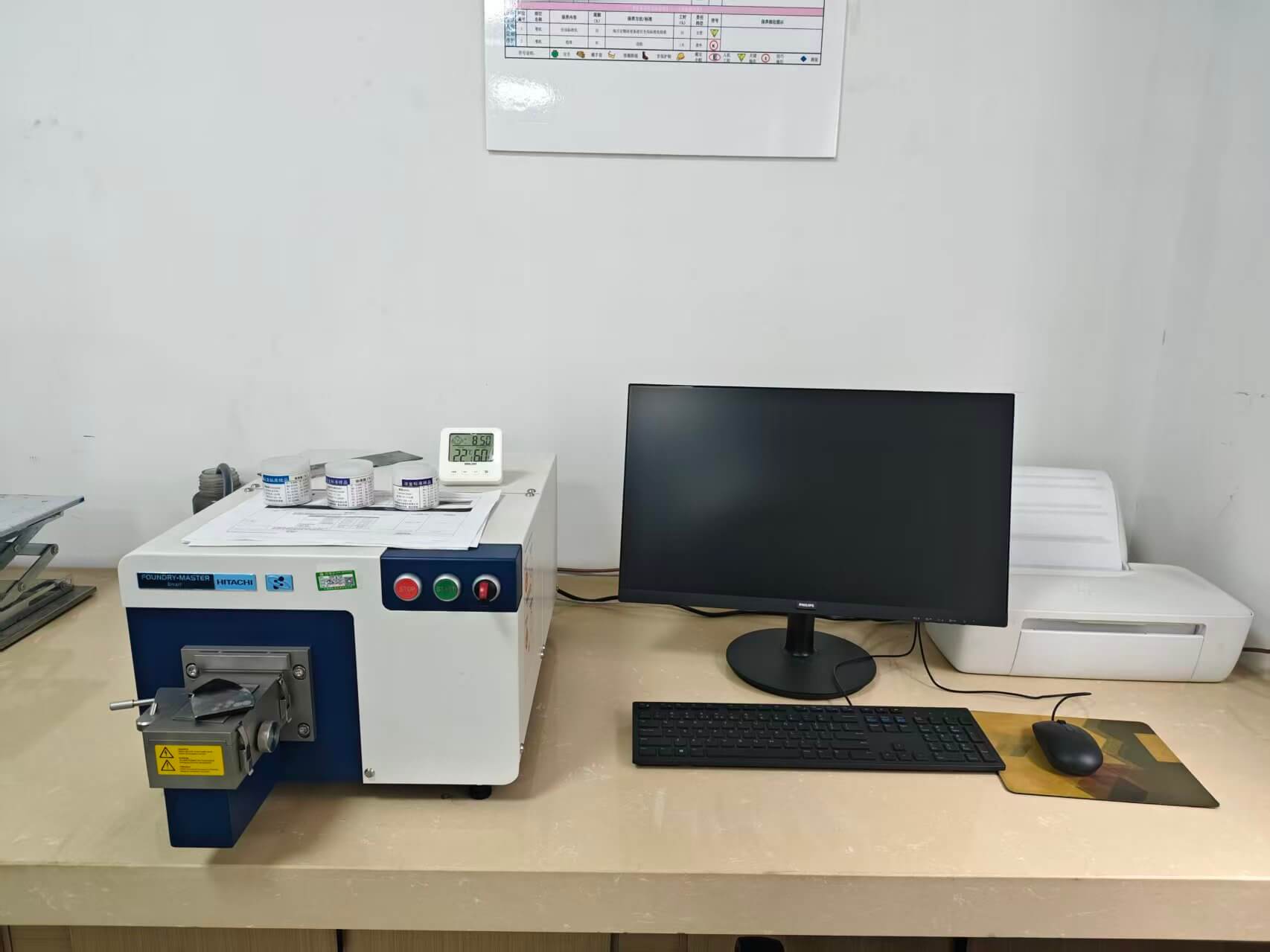
Direct reading spectrometer
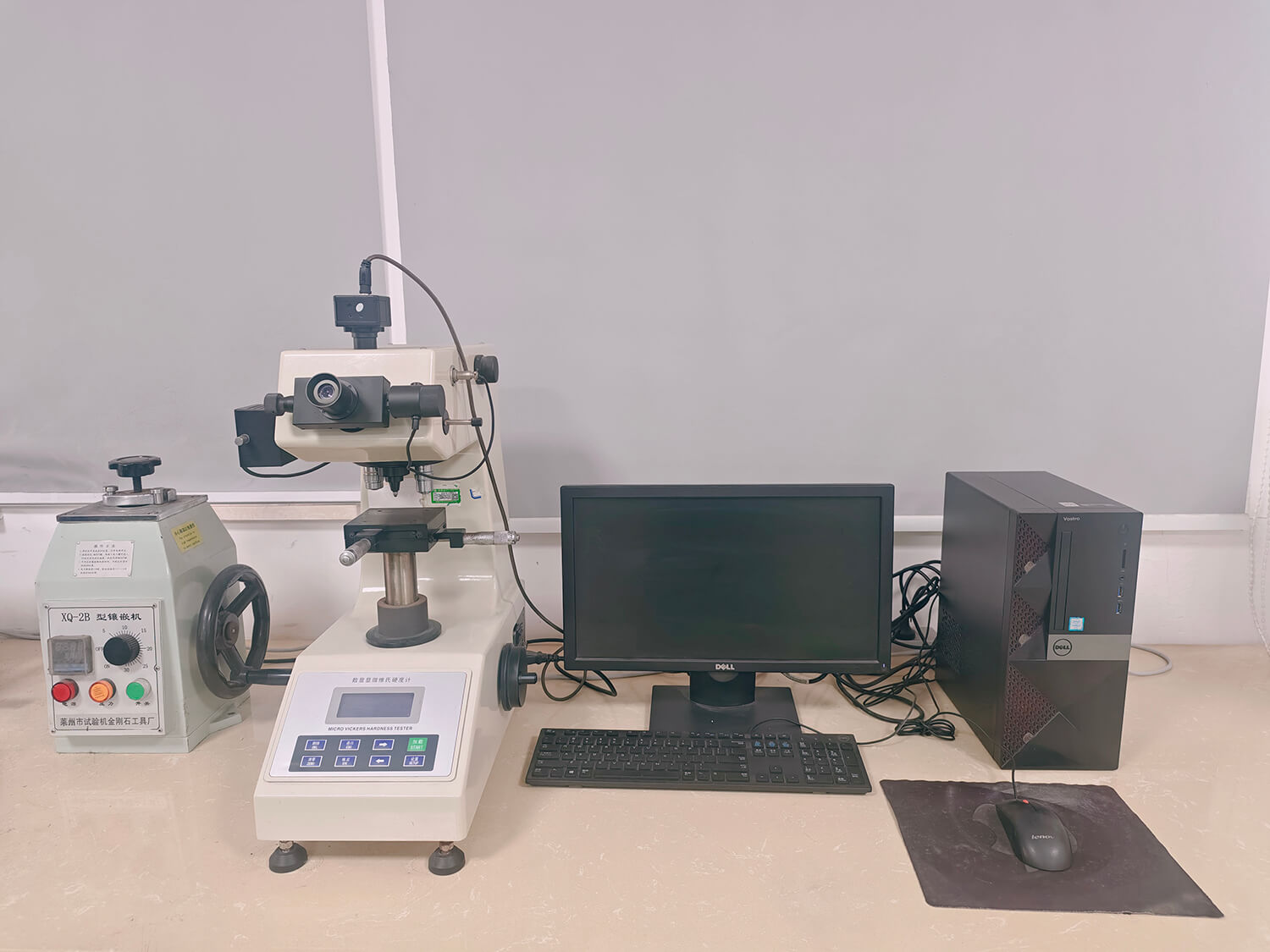
Microhardness tester

Quality Control Process & Capability

Preventive measures before the event: When receiving materials, use a direct reading spectrometer to complete the identification of the steel grade and composition analysis within 30 seconds, eliminating "material defects".
During the process: During the heat treatment, use a microhardness tester to conduct hardness gradient and depth analysis of the hardened layer and infiltration layer, quantitatively evaluate the effect of quenching and tempering processes, ensuring that the cutting edge is "hard on the outside and flexible on the inside", without chipping or cracking.

Laser cutting / stamping / grinding teeth

Key Quality Requirements

Profile dimension accuracy, die-cutting surface quality, tooth shape parameters, repeat positioning accuracy

Inspection Equipment

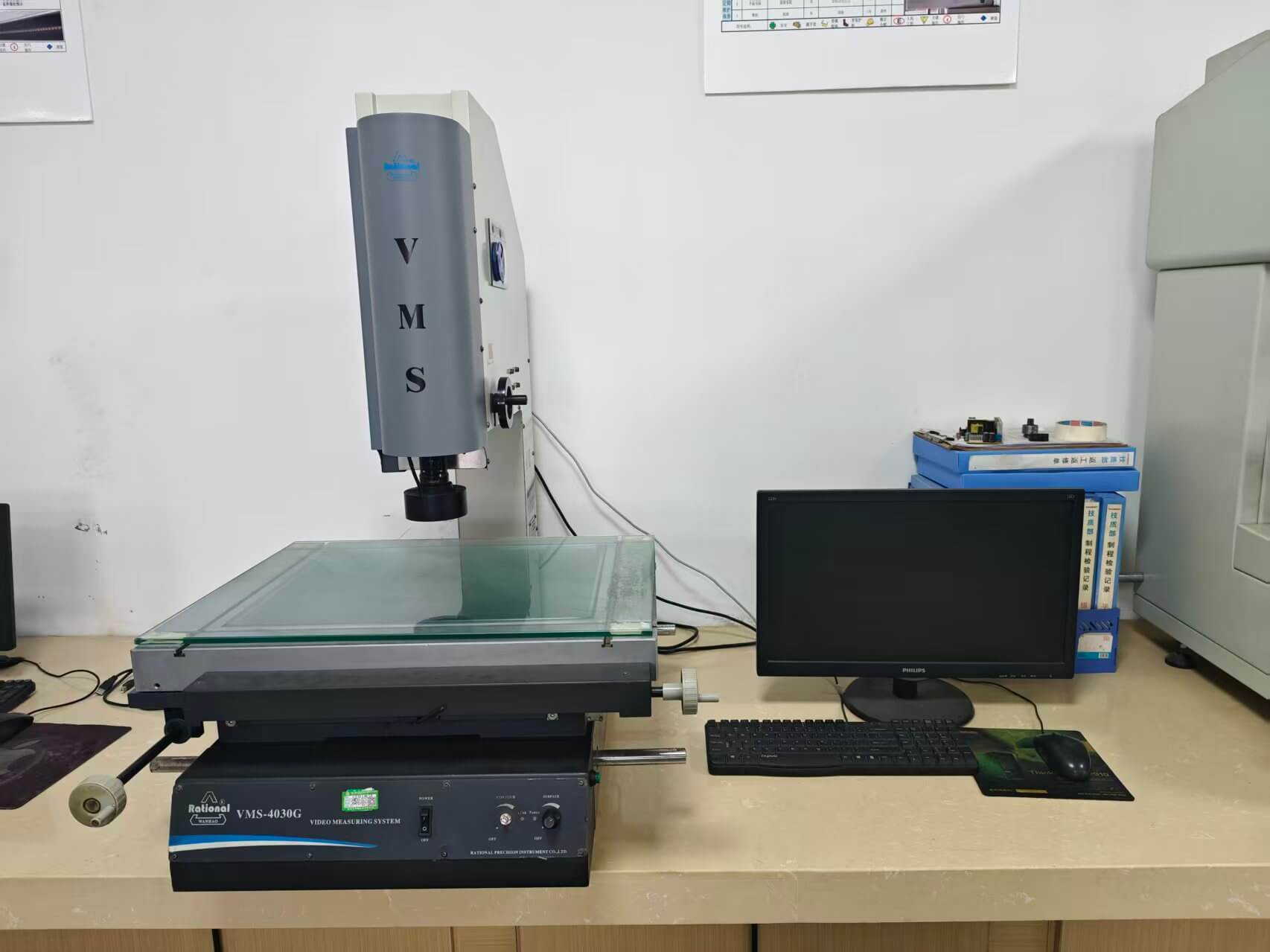
Fully automatic image measurement instrument

Quality Control Process & Capability

In-process control: First-piece inspection and process sampling. The equipment can be automatically programmed to conduct high-precision (μm level) non-contact measurements of geometric features such as the contour of laser-cut parts, the hole positions of stamping parts, and the tooth shapes of saw blades. It automatically generates SPC (Statistical Process Control) reports. Once there is a trend of size deviation, it immediately issues an alert to prevent batch scrapping.

Cleaning & Deburring

Key Quality Requirements

Surface cleanliness, burr residue, microscopic defects

Inspection Equipment

Microhardness tester (with metallographic function)
Image measuring instrument (with auxiliary light source)

Quality Control Process & Capability

Post-event verification: Randomly select the cleaned parts and observe the surface cleanliness under a metallographic microscope. The image measurement instrument can clearly capture the tiny burrs on the cutting edges and quantify the effect of the deburring process, ensuring a perfect fit between the coating and the base before assembly.

Spraying / Surface Treatment

Key Quality Requirements

Coating thickness, adhesion, corrosion resistance

Inspection Equipment

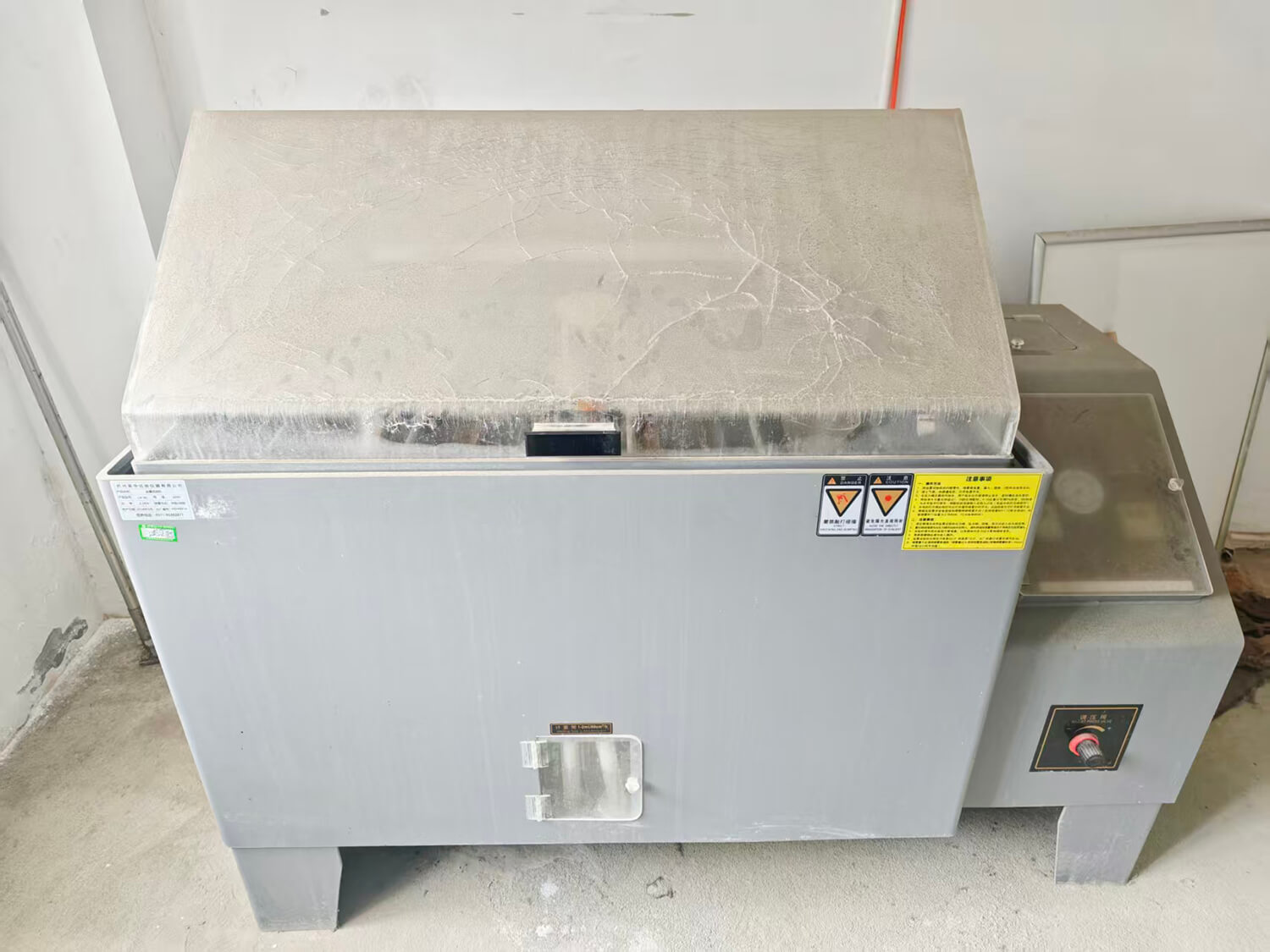
Microhardness tester Salt spray test chamber

Quality Control Process & Capability

In-process and post-process verification: A microhardness tester is used to measure the coating thickness and evaluate the uniformity. The salt spray test chamber serves as a "benchmark" for corrosion resistance. By simulating a harsh salt spray environment, it accelerates the verification of the corrosion resistance of surface treatment layers such as spraying and electroplating, ensuring that the product does not rust even when used outdoors for a long time.

Injection molding (handle/part)

Key Quality Requirements

Mechanical properties of materials, forming dimensions, assembly strength

Inspection Equipment

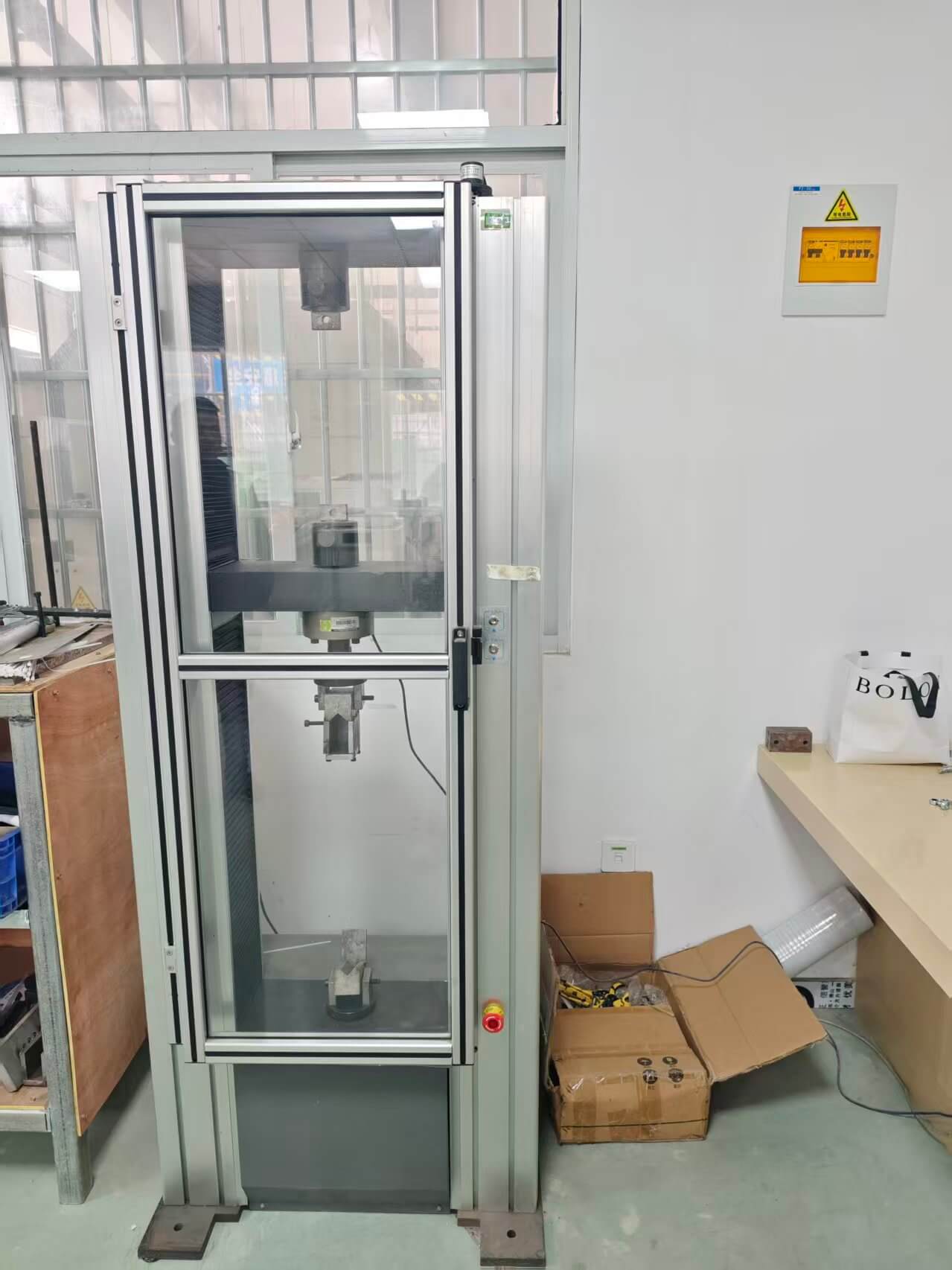
Universal Tensile Testing Machine Fully automatic image measurement instrument

Quality Control Process & Capability

Preventive measures in advance: Use a universal tensile testing machine to test the tensile strength and elongation at break of injection molding raw materials (such as PP/TPR), ensuring that the material's toughness meets the standards.
Post-verification: Use an image measuring instrument to measure the assembly dimensions of the injection molded parts and the metal parts, and use a universal tensile testing machine to conduct a "handle pull-out force test" to ensure that the handle and the knife body are firmly combined, eliminating the risk of detachment during use.

Final assembly & functional durability

Key Quality Requirements

Assembly fit, sharpness of shearing, durability of sawing, operation feel

Inspection Equipment

Shear force detector
Manual saw durability testing equipment

Quality Control Process & Capability

Final verification: This is the "graduation exam" of the product.
Shear force tester: Simulates real shear conditions, precisely measures the maximum shear force, assesses the sharpness of the blade edge and the wear life, ensuring ease and smoothness.
Manual saw durability testing equipment: Simulates reciprocating sawing actions, monitors the decline curve of the blade edge sharpness as the number of sawing operations increases, scientifically quantifies the product's service life, and provides customers with a reliable durability guarantee.

Full-Process Quality Control Loop (ISO 9001-Based Operation)

Weiste not only relies on advanced inspection equipment, but also operates a standardized quality management system covering the entire chain from supplier to customer. Each stage defines responsibilities, timelines, deliverables, and execution standards, ensuring full traceability, accountability, and continuous improvement through a PDCA loop.

01

Incoming Inspection

Intercept non-conforming materials at the source.

02

Incoming Quality Issue Handling

Classified response with rapid resolution.

03

In-Process Control

Real-time isolation and evaluation of defects.

04

Customer Return Handling

Closed-loop feedback driving continuous improvement.

Process Stage Key Inspection Equipment Data / Records Output Control Loop Point
Inspection of incoming materials Direct reading spectrometer, microhardness tester, image measuring instrument "Purchase Inspection Record", "Nonconforming Item Review and Disposal Form" Direct reading spectrometer, microhardness tester, image measuring instrument
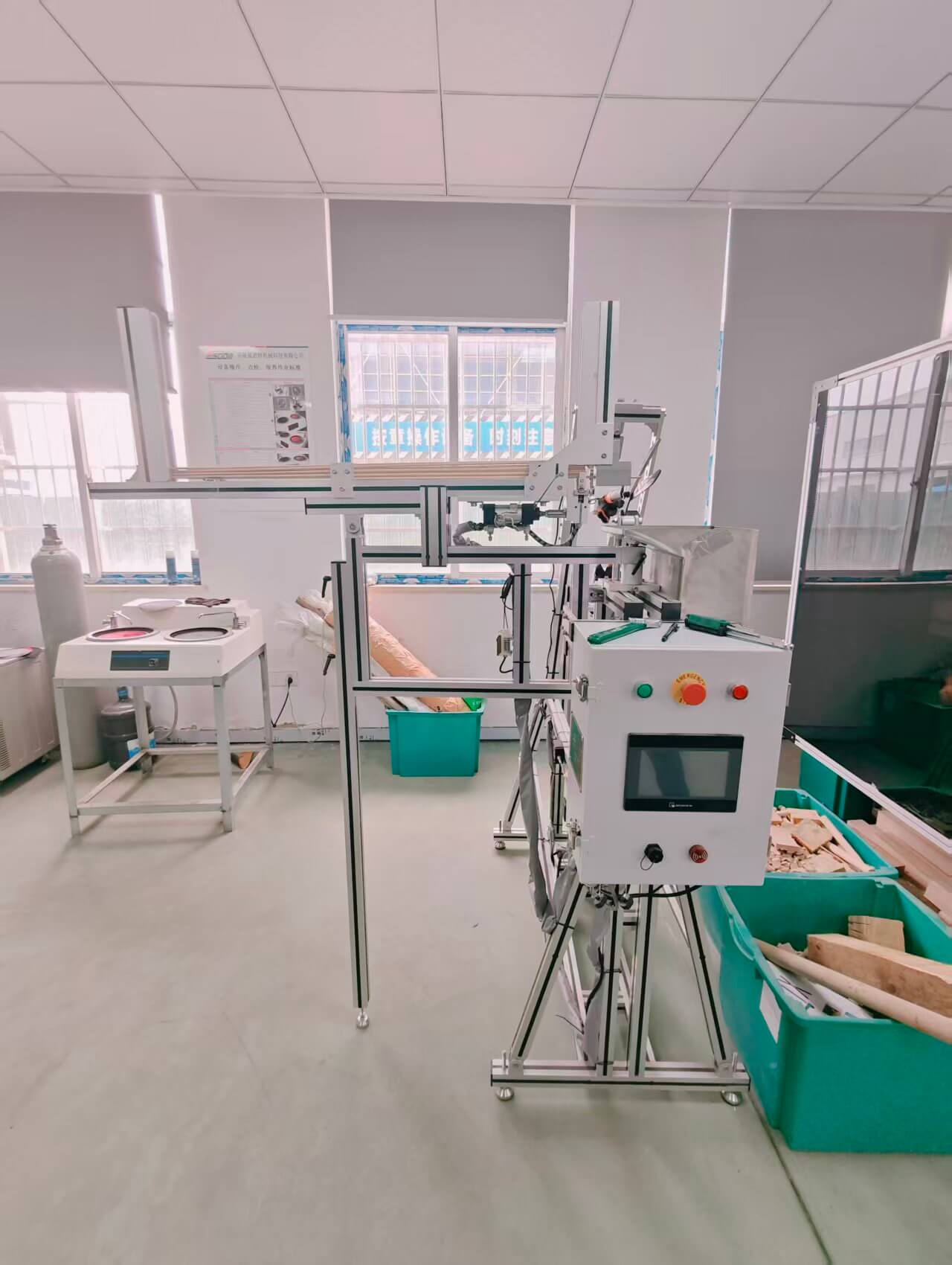
Process Control Microhardness tester (with metallography), image measuring instrument, universal tensile testing machine
"Rework/Selection Processing Form", "Nonconforming Product Inbound Form"
Microhardness tester (with metallography), image measuring instrument, universal tensile testing machine
Finished product/durability test Shear force detector, manual saw durability testing equipment Sharpness attenuation curve, service life data Shear force detector, manual saw durability testing equipment
Customer Return Analysis All equipment in the entire process can be adjusted. "Customer Return Processing Form", Monthly Return Report All equipment in the entire process can be adjusted.

Through this integrated system, Weiste ensures full-process quality control, including incoming inspection, in-process monitoring, anomaly review, defect handling, return analysis, and continuous improvement tracking. Every product remains under strict control from raw material to final delivery.

Core Quality Control Equipment

To support the above quality control processes, we are equipped with advanced inspection systems. These instruments deliver industry-leading accuracy and efficiency, ensuring reliable quality control at every stage.

Direct reading spectrometer (the

Direct reading spectrometer (the "identity card reader" for materials)

Accuracy: Analyzes wavelengths ranging from 160 to 650 nm. With up to 45 channels, each test takes less than 30 seconds.
Value: Quickly and accurately identifies the brand and composition of raw materials such as steel and aluminum. It is the first line of defense to prevent material mix-ups and ensure the effectiveness of heat treatment.
Microhardness tester (the

Microhardness tester (the "doctor" for materials' examination)

Capability: Load range 10gf - 1kgf, measurement range 5 - 3000HV, accuracy 0.01μm indentation measurement.
Value: Precisely draw the hardness gradient curve of the carburized layer and quenched layer, which is the core tool for optimizing the heat treatment process and ensuring that the cutting tools are "sharp and strong yet durable".

Fully automatic image measurement instrument (the

Fully automatic image measurement instrument (the "intelligent judge" for dimensions)

Accuracy: XY-axis accuracy is (3 + L/200) μm, with repeatability accuracy less than 3 μm.
Value: One-click batch measurement, automatically determines whether the dimensions are qualified and outputs reports. Significantly improves the efficiency and accuracy of quality monitoring in processes such as stamping, laser cutting, and injection molding.
Universal tensile testing machine (the

Universal tensile testing machine (the "judge" for mechanical properties)

Capacity: 2KN - 200KN, accuracy 0.5 grade.
Value: This single machine can be used for multiple purposes. It can conduct tests such as stretching, compression, bending, and peeling, and comprehensively evaluate the strength of metal parts, the toughness of plastic parts, and the bonding force between components.
Salt spray test chamber (the

Salt spray test chamber (the "environmental examiner" for corrosion resistance)

Capabilities: Capable of complying with international standards such as GB/T2423.17 and ASTM B117, and able to conduct NSS, ASS, and CASS tests.
Value: Objectively quantifies the corrosion resistance lifespan of the product, providing the most direct evidence of the superiority or inferiority of surface treatment processes like spraying and electroplating, ensuring that the product meets outdoor durability standards.
Shear force & durability testing machine (the

Shear force & durability testing machine (the "user experience feedback instrument" for the overall performance of the machine)

Capability: Simulate real working conditions, quantify shear force values, force decay, and wear life.
Value: Convert users' subjective perceptions of "easy to use" and "durable" into objective and traceable technical data, guiding the continuous improvement of the product.

Comprehensive Quality Capability Assessment

Material composition and heat treatment control
★★★★★
From the source, ensure that each knife possesses the best inherent performance.
Precision dimension and form/position tolerance measurement
★★★★★
Match the measurement accuracy of mold processing level, ensuring perfect interchangeability and assembly of parts.
Mechanical testing and functional durability performance testing
★★★★★
Quantify "durability" and ensure that the product can withstand long-term and high-intensity usage.
Environmental adaptability and anti-corrosion performance
★★★★☆
Scientifically verify the weather resistance of the coating and the substrate, safeguard the "appearance quality" and lifespan of the product.
Standardization and System Certification
ISO9001、ETL、GS、CE、RoHS
The quality management system is fully in line with international standards and has obtained the qualification for market access worldwide.
Continuous improvement and R&D support
21 patents, professional sample tester team
Testing is not only for "quality control", but also for "improvement". The laboratory directly serves research and development as well as process optimization, forming a PDCA closed loop.

Quality Commitment & Conclusion

Anhui Weistech Mechanical Technology Co., Ltd. has successfully established a comprehensive laboratory testing and quality control system that integrates deeply with the production process, covering the entire spectrum from micro to macro, from materials to finished products, and from processes to data.

We not only invest in first-class testing equipment, but also build a quality culture driven by data and centered on continuous improvement.

Choosing Weistech means selecting a reliable partner capable of providing solid quality assurance for cutting tools and gardening tools. Through a rigorous quality control system, we are committed to delivering sharper, more durable, and more reliable products continuously.

Data-Driven · Process-Controlled · Quality Guaranteed